
The other day during Open Gym, someone asked:
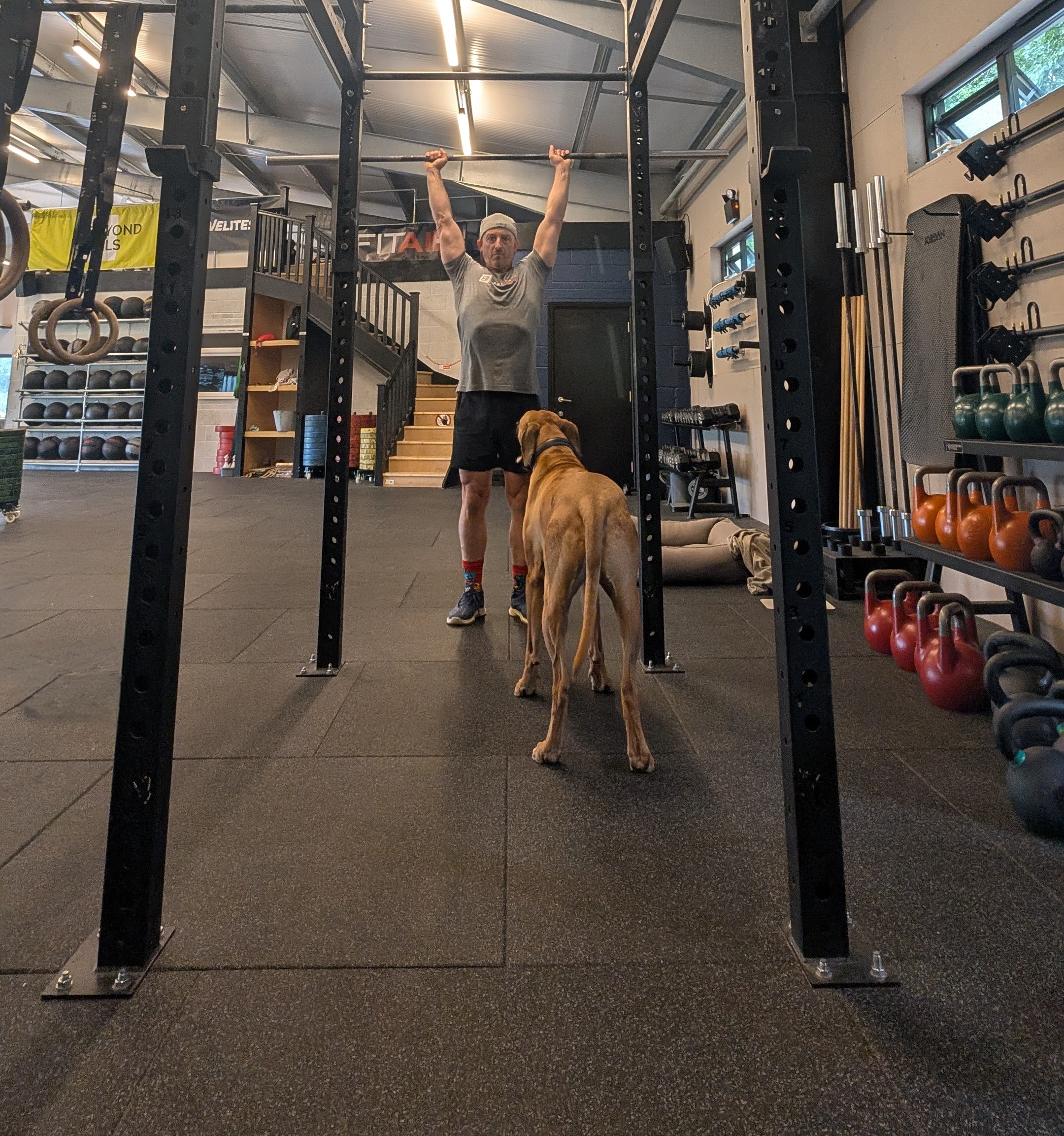
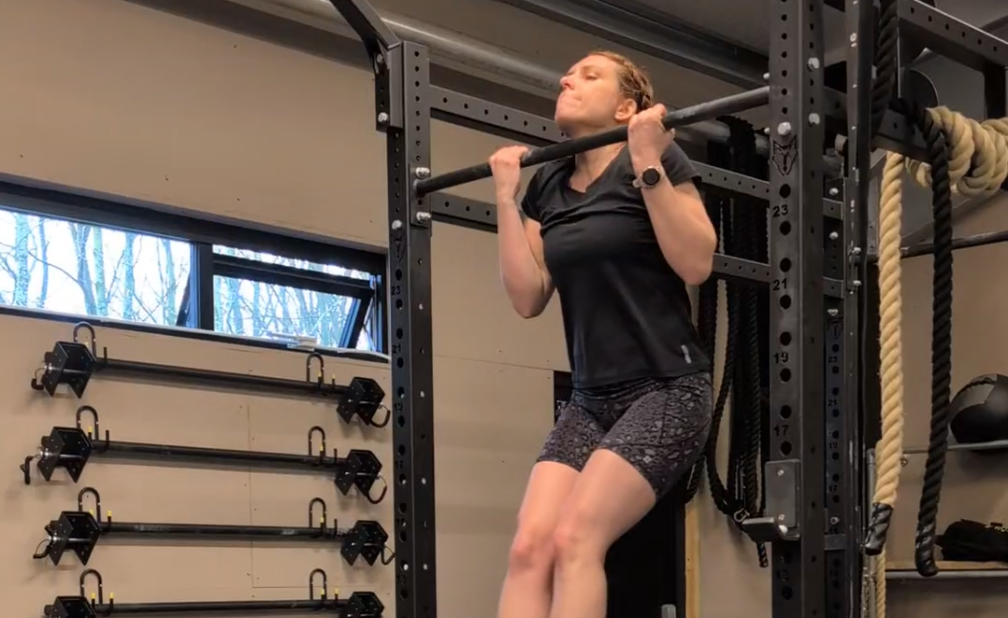
“Jamie… why are we allowed to do chin-ups in 26.1 when we’ve only been training pull-ups?”
Fair question.
The easy answer is: because that’s what showed up. The better answer is: because that is exactly what CrossFit is designed to test.
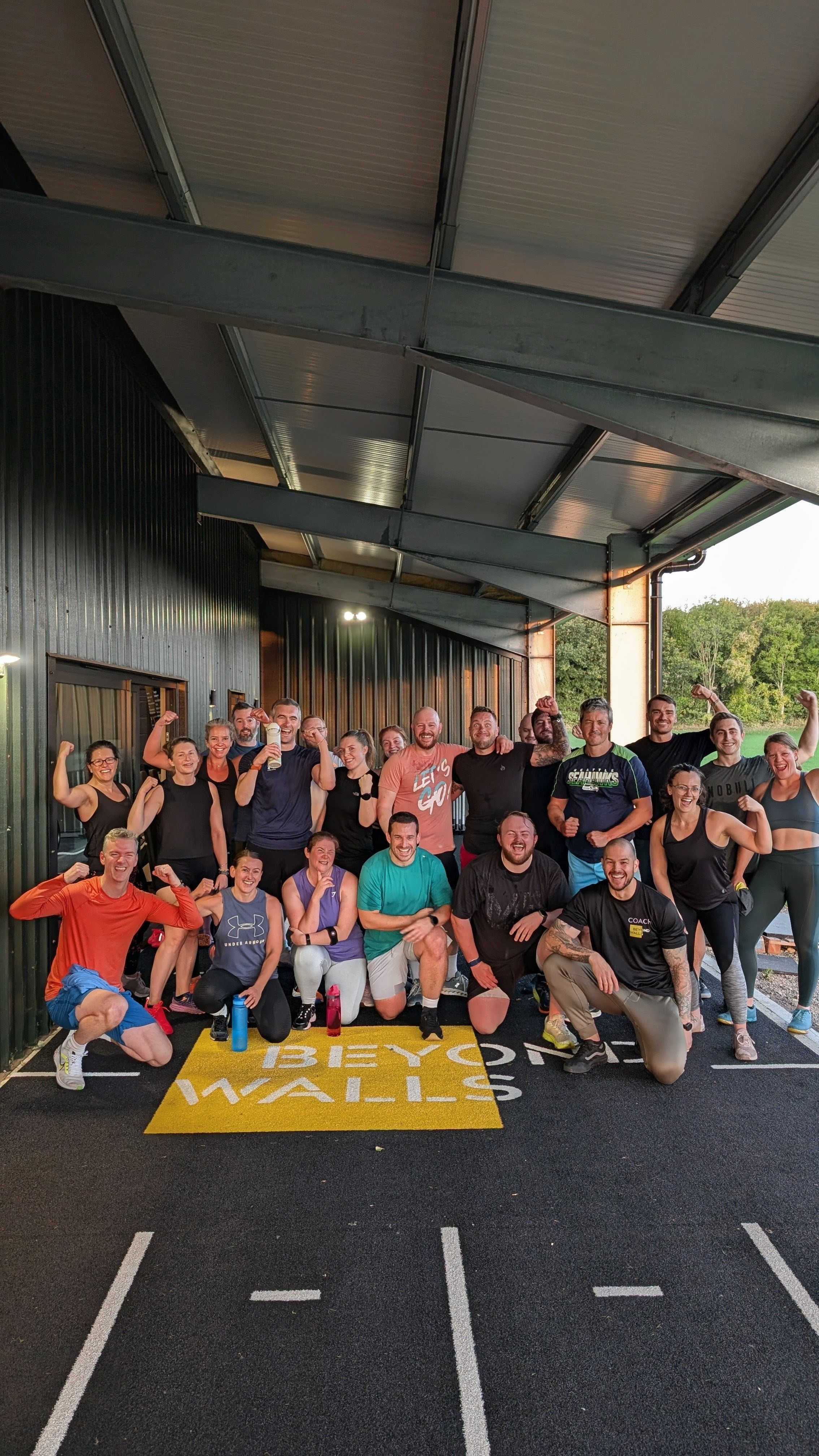
As most of you know, at Beyond Walls, our mission is to measurably improve the fitness of our community. That means we are not just preparing people for familiar workouts or tidy training conditions. We are trying to develop people who are stronger, fitter, more adaptable, and ready for when life asks a different or more difficult question.
That is the difference between CrossFit as a methodology and CrossFit as a sport.
And it matters.
At its core, CrossFit is a training methodology.
Its job is not simply to make people better at a fixed menu of gym movements. Its job is to build broad, usable fitness that carries beyond the gym floor. Strength. Engine. Coordination. Confidence. Adaptability.
That is what makes it so powerful.
At Beyond Walls, we care about measurable improvement. Stronger bodies. Better movement. More resilience. A greater ability to handle the known, the unknown, and the unknowable.
Real life does not come with a whiteboard brief, a pre-agreed time cap, or a judge with a clipboard counting your reps. It is messy. It is physical. It is often inconvenient. It asks things of us when we are tired, rushed, under pressure, or caught off guard.
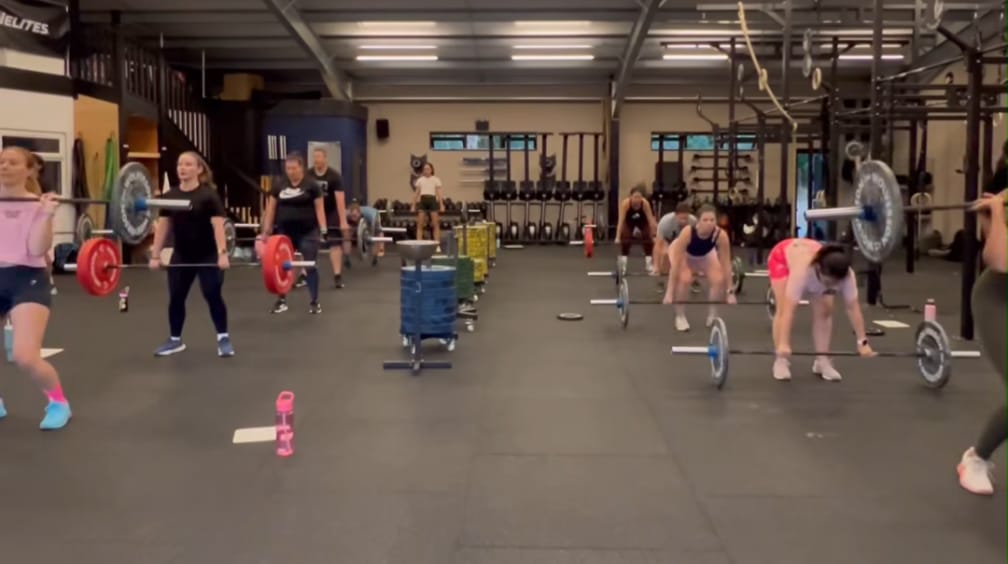
So when we coach squats, presses, hinges, pull-ups, and everything else with care and consistency, it is not about preserving rules for the sake of rules. It is about building foundations that hold up when the situation changes.
Because that is what real functional fitness is.
Then there is CrossFit as a sport.
This is the side many of us have just experienced, and the one most visible during the Open, Quarterfinals, Semifinals, and the Games. It is where fitness gets tested in public, with standards, judges, and leaderboards. It is structured, demanding, often uncomfortable, and sometimes unexpected.
Like chin-ups suddenly appearing.
They are not a flaw in the system. They are the system working. The Open is not there to perfectly reflect the exact movements, formats, and progressions we have rehearsed in the gym. It is there to ask a harder question:
•Can we stay calm, adapt, and solve the problem in front of us?
•Can our fitness hold up when the details shift?
•Is the fitness we have built transferable?
That is what sport reveals. Not just what we can do when conditions are ideal and familiar, but what remains true when they are not.
And that matters, because improvement is only partly about performance in controlled conditions. The deeper measure is whether our fitness still works when the script changes.
CrossFit the methodology and CrossFit the sport are separate, yet complementary.
•The methodology is where the work happens. It is where people get healthier, fitter, stronger, and more capable over time. It is where consistency matters and progress is built.
•The sport gives that process a proving ground. It creates moments where the work becomes visible.
Without the methodology, the sport is noise. There is no structure, no progression, and no durable development underneath it.
Without the sport, the methodology loses one of its sharpest advantages: the chance to test what has been built, measure it honestly, and see progress clearly.
One builds it.
The other reveals it.
That relationship is not a contradiction. It is one of the reasons CrossFit works so well when it is coached with intent.
Because the goal is not simply to become efficient at repeating what is familiar. The goal is to build capacity broad enough, and foundations strong enough, that when the challenge changes, you do not fall apart with it.
That is what the methodology builds.
That is what the sport tests.
And that is why chin-ups showing up in the Open are not a contradiction to good training. They are a reminder of why we are doing this.