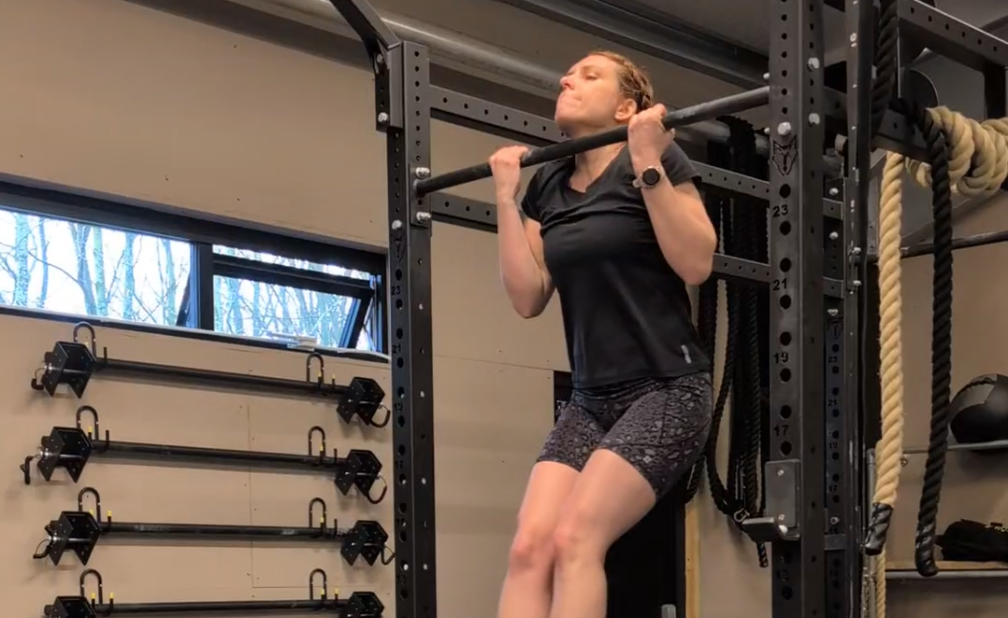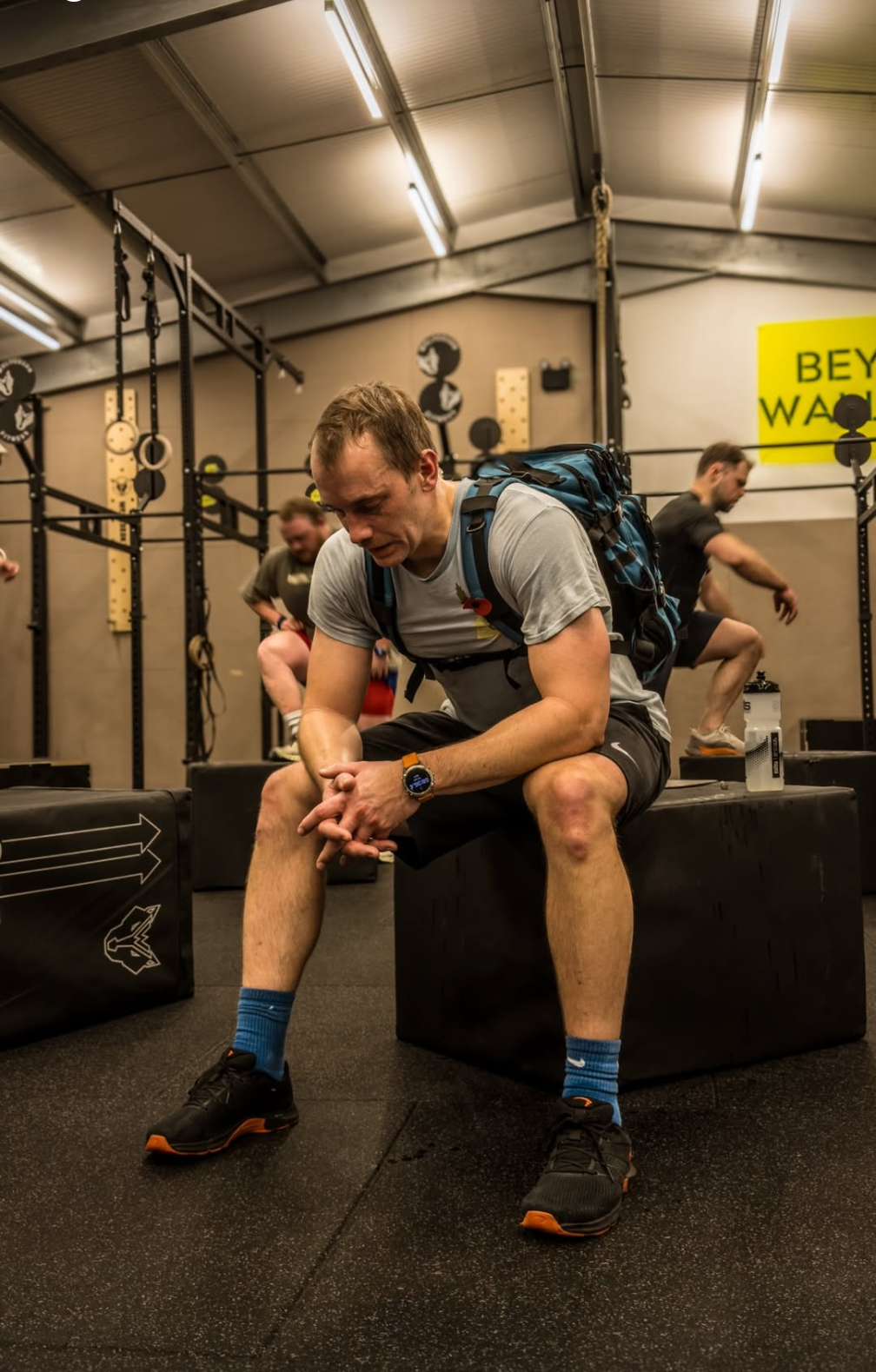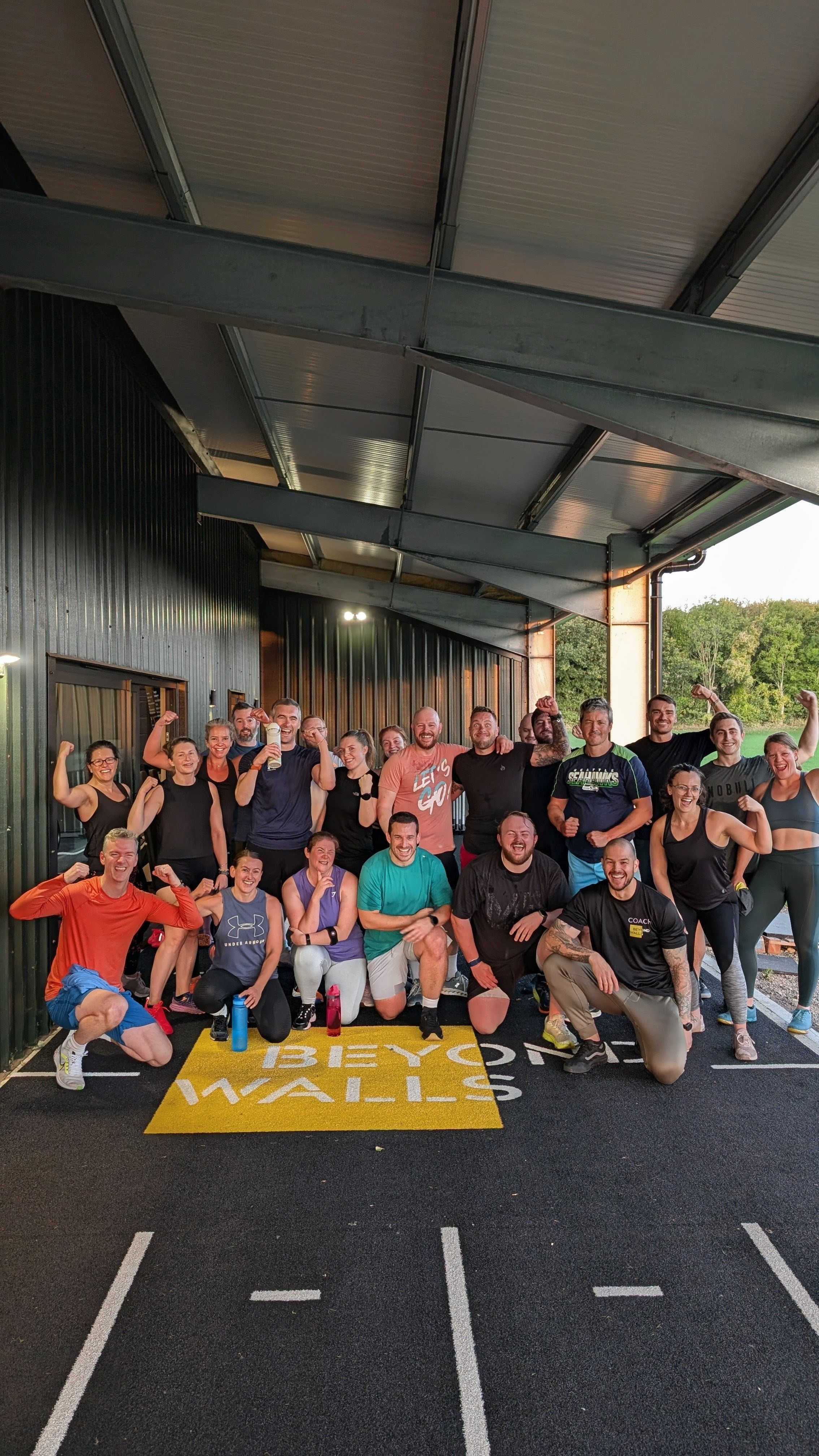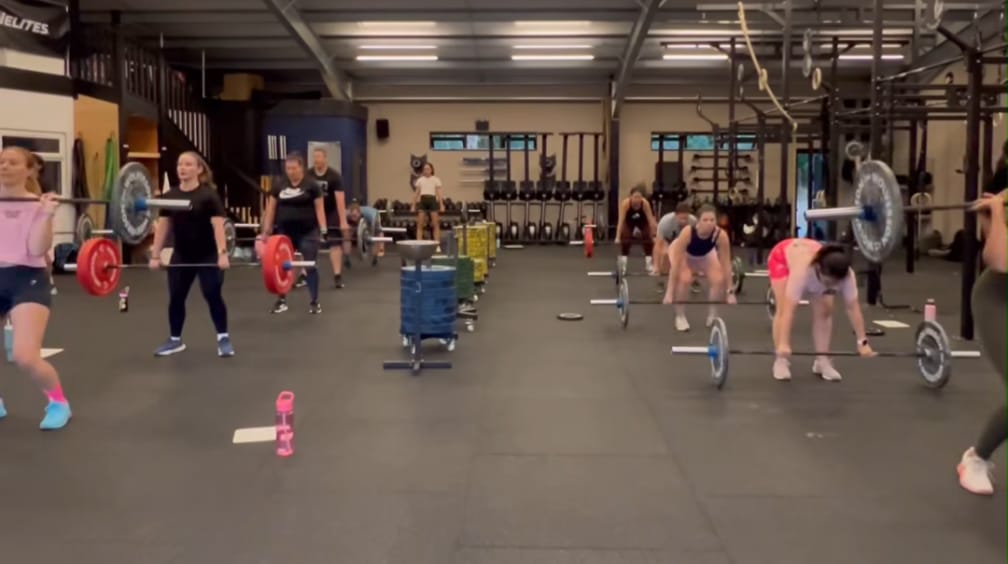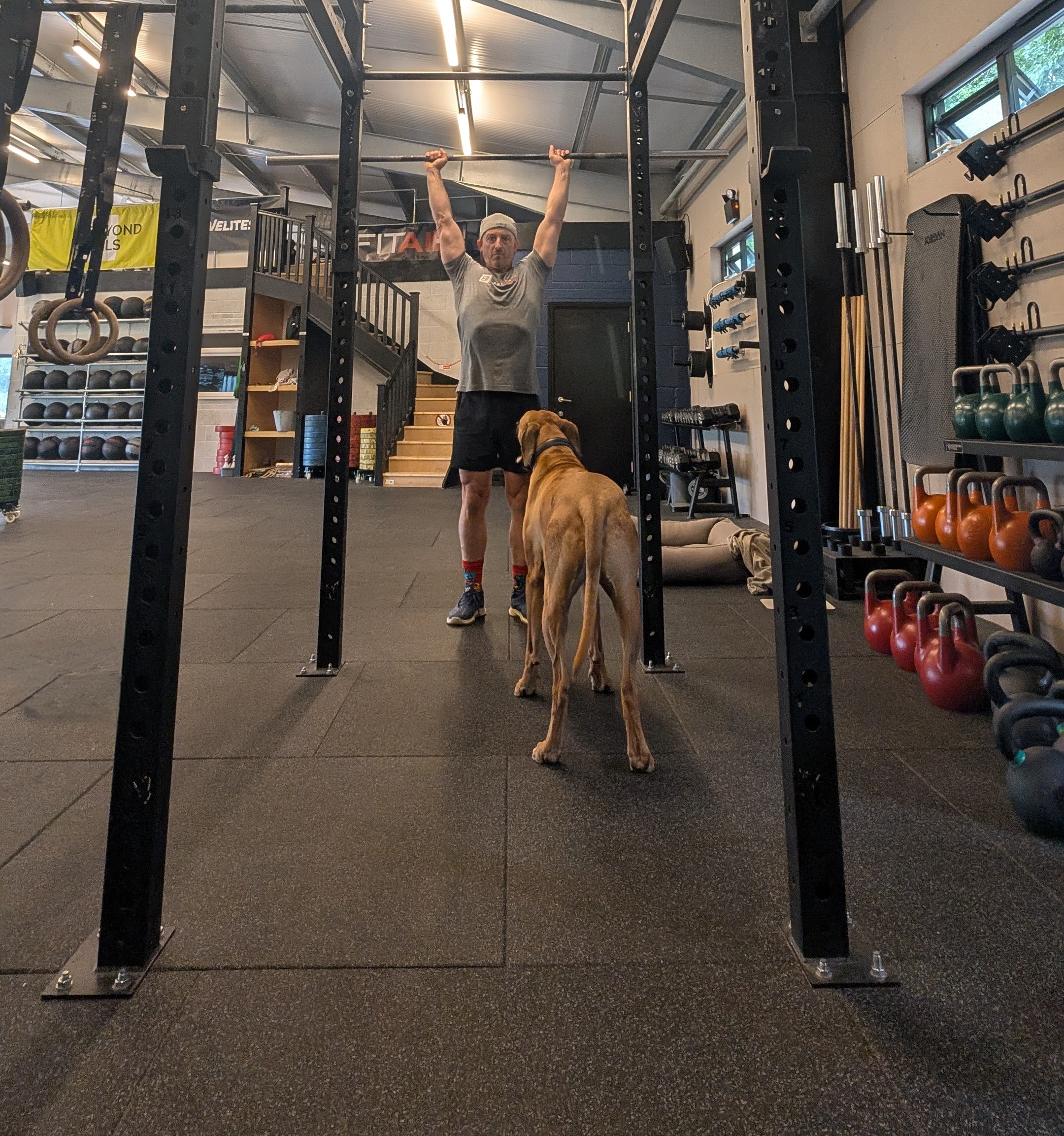

For most of 2025, I had experienced an unprecedented run of good health: no illnesses, no injuries, just smooth sailing and happy days. In fact, I felt so good that I resurrected my work on ring muscle-ups after a great workshop with Coach Barry and a mutual commitment with a training partner (Alex Cook, who inspires all of us with her athleticism!). We were religiously meeting every Monday in open gym to work on ring holds, transitions, and push-ups galore.
Then one day in early December in our open gym session, I just felt tired. I pushed on, even though I sort of knew my body wasn't feeling great. Sure enough, the next day I woke up with serious pain and inflammation in my shoulder. I didn't want to say it out loud, but I'd been there before and knew this kind of pain meant months of recovery.
Meanwhile, I'd just delivered my first virtual keynote as an independent consultant — and despite months of careful prep, I ran ten minutes over and spent the next 48 hours catastrophising, convinced the organisers were upset with me and hated it.
After relaying the experience to my sister (a keynote pro who also knows me very well), she asked a simple question: How are your hormones?
Fine! They are fine!! I'd had lots of conversations with my OB/GYN dialling in the right dosages for my HRT medications, which had been keeping me on a steady state for the past few years. But then it slowly dawned on me. They weren't fine. They were suddenly, for no obvious reason, very wrong — and all the emotions and catastrophising were heightened anxiety from hormones that were just off-kilter.
I was an emotional mess. My mood was low and I was highly anxious. Despite being a champion sleeper (according to Whoop), suddenly I couldn't fall asleep or stay asleep. And of course, the next available appointment with my doctor to sort it out wasn't until mid-January.
So here I was: injured and emotionally messy. Normally I'd deal with difficult emotions by working out, but working out meant I was constantly reminded of everything I couldn't do because of my shoulder.
I made an important decision: I would not be entering the Open in 2026. Normally this would be a time to build up my engine, double down on intensity and volume so I could really test myself. But I felt that by putting the Open aside, I could surrender, take a big step back, and truly listen to what my body needed. Which, as it turned out, was a big, giant break.
Over the next two months, I did a lot of sleeping, reading, working from the couch cocooned in a fluffy blanket, and wearing very comfortable clothes. I did work out, but not nearly as much as usual (I failed to make Committed Club in both December and January!), and I cherry-picked workouts with movements I could actually do. When I did train, I dialled the intensity way back. I didn't feel social and was quick to cry over silly things, so I generally kept to myself.
It took a full two months to work out what was going on hormonally. It turns out my oestrogen was simply too high, even though those levels had previously been just right. My shoulder slowly and gradually got less painful, but I still couldn't do anything overhead or hanging from a bar. Then I travelled to the US for another keynote — which, delightfully, went perfectly and ended exactly on time — only to return home to the stomach flu. Followed by hip pain that came out of nowhere. Followed by a head cold that sidelined me for another week.
I felt as if my fitness was slowly eroding away. And that feeling sat heavily.
Then, in the second week of February, Jamie and I travelled to Italy for a long weekend and decided to drop into a local box. My shoulder was actually feeling, well, fine. I jumped up to a bar, did a few kip swings, a couple of knee raises — and it was fine. We did a partner workout together, and for the first time since the injury, I felt like myself again.
I knew I had to rebuild, but I didn't know how much ground I'd actually lost. Then in class the following week, we did Open workout 18.1. I'd done this same workout in 2018 when I still lived in New York, so I had a real benchmark. I improved my score by almost an entire round. I was stunned. Fitness and muscle don't evaporate as quickly as we lead ourselves to believe. My higher-level gymnastics skills need some finetuning, and my engine is a bit weaker — but I'm still fitter than I was in 2018.
On 22 February, I did the thing I couldn't even think about two months prior: I signed up for the Open. I'm glad I gave myself permission not to participate in December, because otherwise it would have created an enormous stressor — all that time lost, all that preparation foregone. Instead, I can show up exactly where I am: slightly less fit than last year, but genuinely happy to measure where I am today after a few months of annoying adversity.
Some lessons I'm taking away from this:
1. Listen to your body. Learn the difference between being lazy and being tired and run down. They aren't the same thing, and treating them as such will cost you.
2. Drop the guilt. When you can't push, don't sit back and wallow in guilt for the things you simply can't do right now.
3. Surrender. Take a step back from all the "shoulds" and "what-ifs." Start saying no, and surrender to where your body is today. Tomorrow might be a different story, but today is still today.
4. Guard your own counsel. It's hard enough to surrender to yourself when you know rest is what's needed. The well-meaning voices around you — don't give up! Just push harder! You need to get out! — will only exacerbate what you're feeling. Only you will know when you're ready.
5. Sometimes wintering is a glorious thing. Maybe my body just needed a season of very deep rest. I'll never fully understand it, but I can feel the spring — and my energy is completely different than it was two months ago.

The month of March is Women's Health Month, and the conversation at Beyond Walls is centred on three things: lifting heavy, fuelling well, and thriving. But thriving doesn't always look like a PR or a perfect training block. Sometimes it looks like a blanket on the couch and an honest conversation with your doctor. Sometimes it looks like signing up for the Open two months later than everyone else — and being genuinely fine with that.
Lifting heavy taught me I'm stronger than I think. Fuelling well reminds me that rest, sleep, and hormonal health are as much a part of the equation as any workout. And thriving? Thriving turned out to be trusting myself enough to winter — so that spring, when it came, was actually the start of my New Year.